History
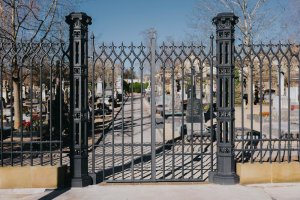
Notre-Dame Cemetery in Luxembourg dates back to 1691. In 1784, it became the only cemetery in Ville Haute, and in 1804, it was taken over by the City of Luxembourg. It was extended in 1871 and received its famous neo-Gothic gate in 1884. The entrances, which were modified in 1974, were later restored to their original appearance.
Project overview
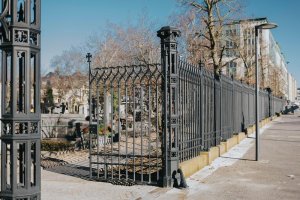
In 2017, the City of Luxembourg commissioned a study of the cast-iron railings surrounding Notre-Dame Cemetery, which had been severely damaged by the tram works. Once the vegetation had been cleared, around 120 metres of the railings were exposed and found to require extensive restoration.
Rather than replacing the railings entirely, the City's staff, together with historian Robert L. Philippart, the INPA and Massard, a company specialising in cast iron, opted to restore them. Historical research carried out with the help of the Municipal Archives and the CNA uncovered plans dating from 1892, as well as old photographs. These documents made it possible to recreate some of the missing elements, including the gates, and restore the cemetery's historic layout.
The restoration project made it possible to retain up to 75% of the existing elements. It also helped restore the former layout of the nearby crossroads and showcase three monuments: the "Klëppelkrich", the Maquisards Memorial and the Notre-Dame Chapel monument.






Key dates
The final project was approved by the Municipal Council in August 2017. Work began in April 2021 and was completed at the end of 2023.