Description
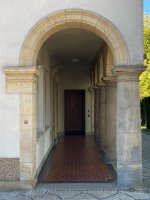
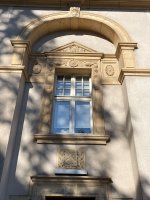
Back in 1884 when the Notre-Dame Cemetery was surrounded by a neo-Gothic enclosure, the City built a lodge for the caretaker and the gravedigger within the grounds, with an adjoining morgue. It was the first establishment of its kind in the city. In 1916, this building was demolished and replaced by the new structure that still stands today. The current caretaker's lodge was built in 1917 by the City's architect, Nicolas Petit. The City's coat of arms, which is surrounded by oak branches to symbolise strength, longevity and endurance, highlights the cemetery's status as a public, municipal and non-denominational site. Its iconic architecture was chosen to blend in with the magnificence of the burial monuments. The ground floor comprised a morgue that could accommodate two deceased, an autopsy room, two reserved rooms – one for the Catholic priest, and the second for the Protestant pastor – and public toilets. The caretaker and gravedigger's lodge was upstairs. Mortuaries began appearing in cities from the 19th century onwards in response to the problems caused by poor hygienic conditions, cramped living quarters and the fact that dead bodies were often left lying in the street. The renovations carried out in 2025 by the City of Luxembourg include accessible toilet facilities on the former site of the morgue, as well as meeting rooms for the Service Cimetière (Cemetery Department). The renovation work carried out on the ground floor was designed to highlight the building's authentic features, both internally and externally.