Programme
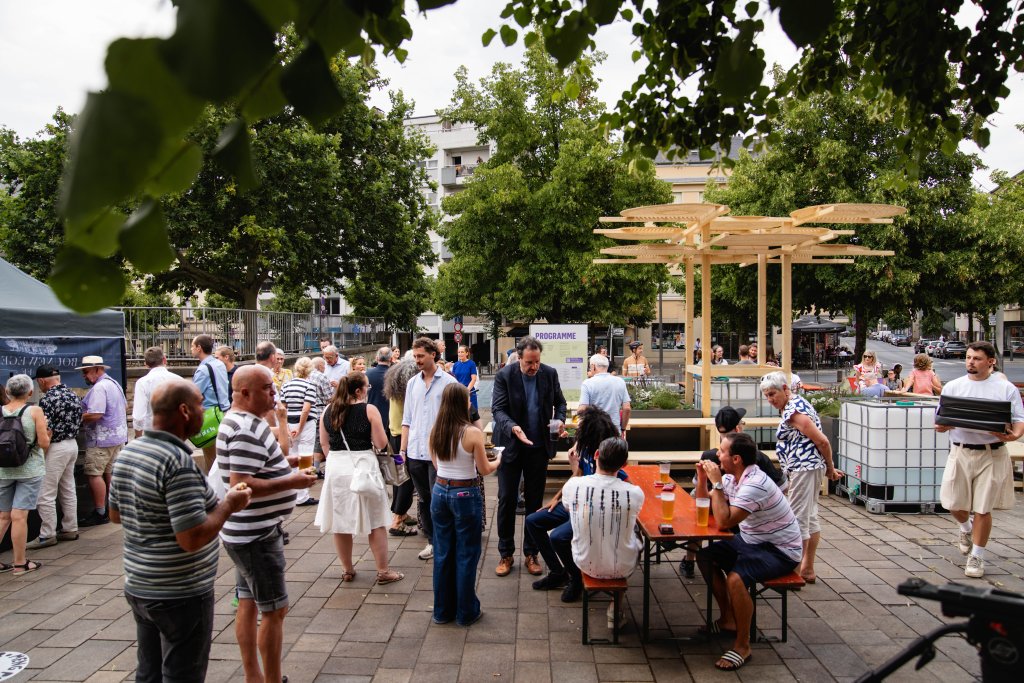
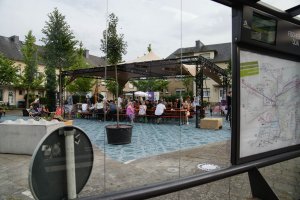
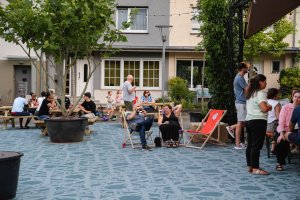
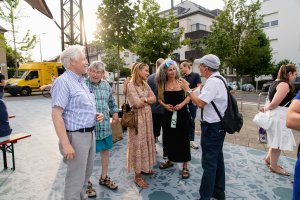
From mid-July to mid-September, Place de Roedgen will undergo a metamorphosis, becoming a place where people can meet, relax and discover a range of activities, right in the heart of the district.
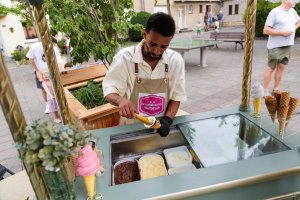
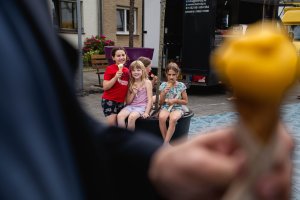
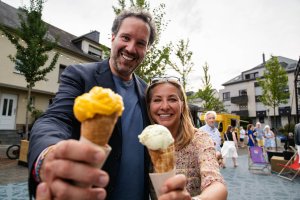
Throughout the summer, everyone is invited to come and enjoy the free temporary installations.
Also, from Thursday to Sunday, the gardens will be the venue for a number of free events, such as workshops and live entertainment, promising a fun experience for all ages.
Main themes covered in the programme:
- Bringing people together
- Culture and heritage
- Nature and biodiversity
- Children and families
- Sport and well-being
July
| Date | Time | Activity | Description | Organiser | Contact |
|---|---|---|---|---|---|
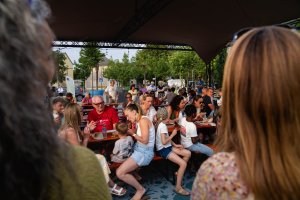
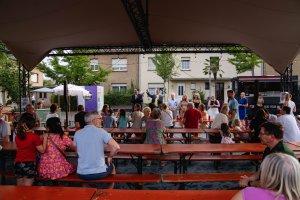
| Thursday, 16 July | 16:00–21:00 | Grande Table Urbaine (Big Community Table) | A chance to meet, connect and exchange ideas as part of the launch of "Mäi Quartier, Meng Plaz", centred around a large communal table open to everyone in the neighbourhood. The College of Aldermen will be present at the event from 19:45 to 21:00. | City of Luxembourg | |
| Thursday, 23 July | 19:00–22:00 | West Coast Swing Social Dance | An inclusive cultural and social activity open to all, where residents and visitors can discover West Coast Swing in a welcoming and relaxed atmosphere. | West Coast Swing asbl | Website |
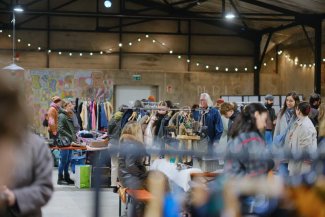
| Saturday, 25 July | 10:00-15:00 | Swap meet and second-hand market | Spend a friendly day browsing for hidden treasures, swapping items and giving pre-loved belongings a new lease of life. | SIL Cessange | |
| Friday, 31 July | 14:00–15:00 | "D'Welt vun de Beien" workshop | Discover the fascinating world of bees through this interactive workshop, exploring the work of the beekeeper, how beehives are built, how honey is made, and the many uses of beeswax. | Service Enseignement (Education Department) – Nature Activities | Website |
| Friday, 31 July | 19:00–21:00 | An evening of Irish music and dance | A festive evening featuring traditional music and Irish dance performances. | Comhaltas asbl | Website |
August
| Date | Time | Activity | Description | Organiser | Contact |
|---|---|---|---|---|---|
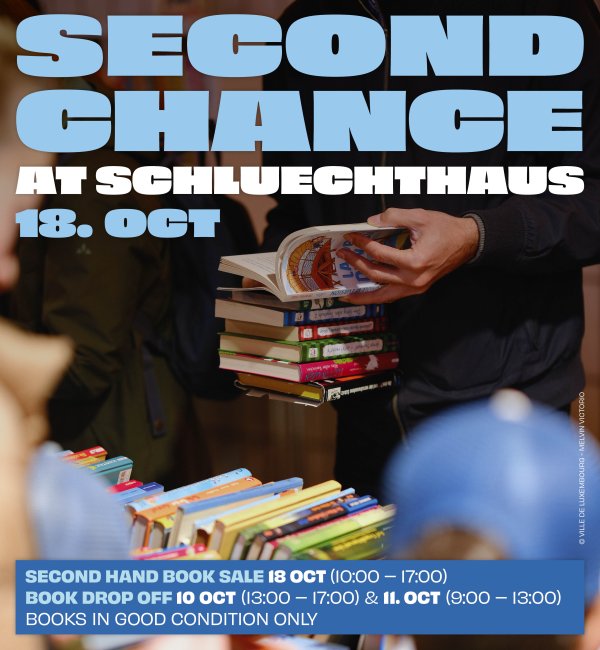
| Saturday, 1 August | 11:00-16:00 | Book Day | Browse a wide selection of second-hand books at the Cessange Book Fair (11:00–16:00) held in <em>Place de Roedgen</em>. Author reading and conversation with Luxembourgish Writers Josiane Kartheiser and Christiane Kremer (14:00-15:00). Concert by the Chantres de Saint-Joseph (14:00-15:00). | Zéissenger Bichermaart, Kremart Edition and Chantres de St. Joseph | |
| Thursday, 6 August | 19:00–22:00 | West Coast Swing Social Dance | An inclusive cultural and social activity open to all, where residents and visitors can discover West Coast Swing in a welcoming and relaxed atmosphere. | West Coast Swing asbl | Website |
| Saturday, 8 August | 10:00-11:00 | "Discover Cessange" historical guided tour | Discover the neighbourhood's cultural history and heritage during this guided walking tour. The tour starts at <em>Place de Roedgen</em> and lasts about an hour. | City of Luxembourg Archives and SIL Cessange | |
| Sunday, 9 August | to be confirmed | Bike Day | Cycling workshop with obstacle courses for children and teens. Participants are asked to bring their own bicycle and helmet. | SaF Cessange | Website |
| Monday, 10 August | 17:00–18:00 | Workshop: ‘La météo des émotions urbaines et dessine-moi ton quartier idéal’ | Let's talk about our district! A friendly discussion with a chance to share your everyday habits, memories, favourite likes and ideas with other local residents, and think about its future together. | Solène Silliere / City of Luxembourg Equal Opportunity Unit | |
| Saturday, 29 August | 14:00–18:00 | Table tennis workshop | Table tennis workshop suitable for all skill levels. Introduction to the game, technical drills, games, practice session, and friendly matches are on the schedule. | Dëschtennis Zéisseng |
September
| Date | Time | Activity | Description | Organiser | Contact |
|---|---|---|---|---|---|
| Thursday, 3 September | 19:00–22:00 | West Coast Swing Social Dance | An inclusive cultural and social activity open to all, where residents and visitors can discover West Coast Swing in a welcoming and relaxed atmosphere. | West Coast Swing asbl | Website |
| Friday, 4 September | 19:00 | Musical reading | Musical reading with Karin Melchert, based on her novel Hüfte, Mord & Herzgeflüster. "After hip surgery, Kathrin finds herself back at the doctor's office – the very doctor she had fallen in love with years earlier. When a murder takes place at the hospital, she suddenly fears not only for her life, but also for her heart." | Karin Melchert | Website |
| Thursday, 10 September | 14:30–16:30 | Tuffi on Tour – Storytime for kids | Children are invited to discover the joy of reading through captivating stories and a selection of books, right in their own district. | Lëtzebuerg City Bibliothèque | Website |
| Friday, 11 September | 15:00-16:30 | "Insect Discovery" workshop | A hands-on activity focused on observing and identifying insects. Participants will learn about the differences between various species and their vital role in urban biodiversity. | SIAS | Website |
| Saturday, 12 September | 11:00-15:00 | Grande Table Urbaine (Big Community Table) | Come together for a shared meal and a festive evening to celebrate the end of summer. | SIL Cessange |
Gallery
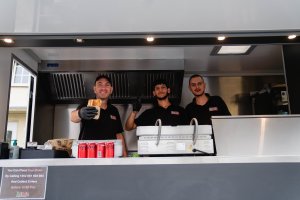
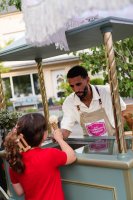
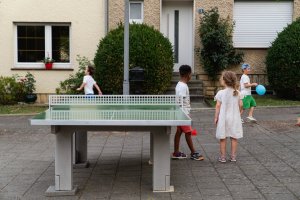
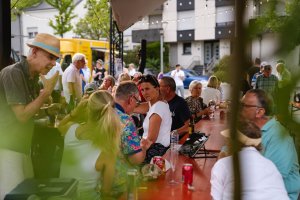
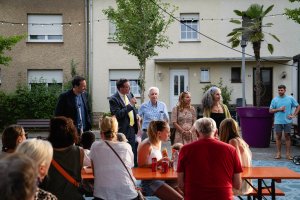

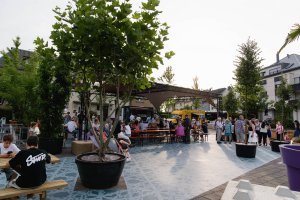
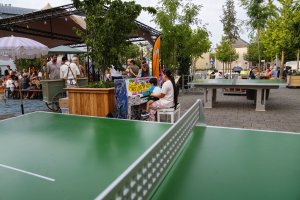
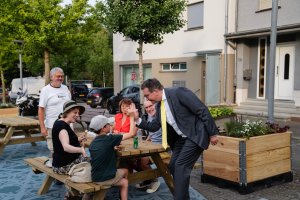


History
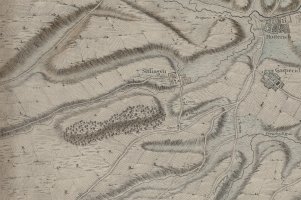
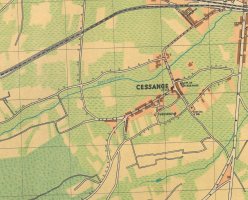
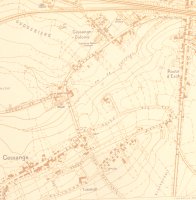
Cessange residents and visitors, do you know the history of the district, and this square in particular? Here are a few historical details to help you understand this unique Luxembourg City district.
Ancient origins
Historical records first make mention of Cessange in 1083, when Conrad I, Count of Luxembourg, bequeathed a farm, with outbuildings, known as Cecingin, to Munster Abbey. Over the centuries, the farm grew to become a village. However, as it was located outside the ramparts of the Fortress of Luxembourg, it was an easy target during the repeated armed conflicts. As such, the village struggled to grow and develop. On multiple occasions between the 16th and 18th centuries, Cessange was ransacked, looted and set on fire, and the number of households dropped. In 1794, the village was destroyed one last time by the French Revolutionaries, when they annexed the country.
Cessange was then integrated into the commune of Hollerich, and subsequently into Luxembourg City, following the merging of the communes of Rollingergrund, Hamm, Eich, Hollerich and Luxembourg in 1920.
From rural to urban
Cessange's transition gathered speed after 1945, with the construction of the city on both sides of the Zéissengerbaach stream, near to Place de Roedgen. Its beginnings as a village can still be seen in the importance attached to farms in the naming of places – for example, Fischerhaff, Tubishaff and Thommeshaff (the suffix "haff" meaning "farm"). The motorised bicycle maker Whizzer Cycles set up shop in 1950, at Fischerhaff, where Place de Roedgen now stands. Tubishaff, in Kohlenberg, made way for a housing estate, after it was destroyed by a fire in 1969.
Cessange's three main landmarks
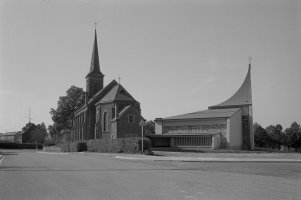
Aside from its farms, Cessange was known for three other iconic buildings: the church, the school and the water tower. In the 18th century, there was a chapel in the Jesuit monastery, almost where Place de Roedgen currently stands. However, after the abolition of the Society of Jesus by Pope Clement XIV in 1773, until a church was built in Cessange in 1901, the faithful had to make their way to Hollerich to go to mass. In 1959, Cessange became a parish, but it soon became apparent that the church was too small to accommodate the local congregation. For this reason, a new church was built, and consecrated in 1972. The old one was torn down, with the debris being used for the new church's forecourt.
For their education, Cessange's children had to travel to Hollerich. In 1863, there were 63 children from Cessange who attended school in Hollerich. The same year, the Municipal Council decided to build a school in Cessange, with a single classroom. A second classroom was added in 1921. It was not until 1961 that the large school that we know today was built; it has since been extended on a number of occasions.
A 712m³ water tower was built at the Tubishaff site between 1932 and 1933, with the overflow at a height of 328 metres.
Where does the name "Place de Roedgen" come from?
It comes from the old road which led to Roedgen. The Croix de Cessange motorway junction intercepted the old road. Today, Place de Roedgen marks the start of Rue de Roedgen


We want to hear what you think!
The temporary installations were designed to foster a sense of community, provide a space for leisure activities and encourage social interactions across the city's districts. We'd like to know more about your own experience:
- Did you enjoy this space?
- Was the atmosphere welcoming?
- What aspects would you like to see preserved, enhanced or expanded in the future?
Your remarks, ideas and suggestions are important to us, as they will help us assess the project and shape the future of Luxembourg City's public spaces. Your voice matters! Use this space, take part in the activities and share your views. Your feedback will help shape the future of our city's public spaces.
Form(s) to be completed
Questionnaire
Via online form
Non-authenticated method, manual signing and sending